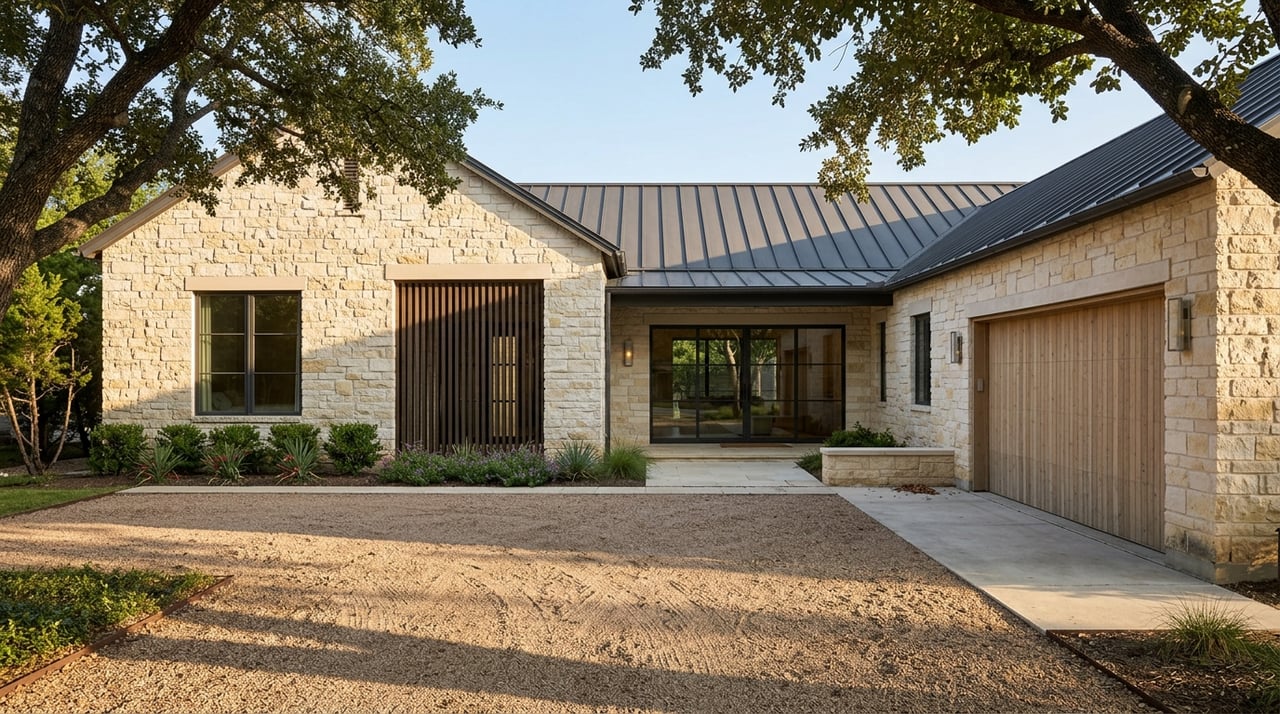
Looking for a place that feels tucked away in the hills but still keeps downtown Austin within easy reach? West Austin’s hill country enclaves offer exactly that balance, which is why they continue to draw buyers who want privacy, scenery, and a more residential pace of life. If you are considering a move to this part of Austin, this guide will help you understand what daily life really looks like, what makes the area distinct, and what tradeoffs to weigh before you buy. Let’s dive in.
What Defines West Austin’s Hill Country Enclaves
In this part of Austin, the setting shapes the lifestyle as much as the homes do. West Lake Hills sits about six miles west of downtown Austin on the edge of the Texas Hill Country and along the south side of the Colorado River. City materials describe the area with rugged terrain, sweeping views, dense foliage, creeks, wildlife, and relatively low population density.
That character creates a very different feel from central Austin. Instead of a continuous urban neighborhood, you will find smaller residential pockets that feel more secluded and self-contained. Barton Creek adds to that impression, with a 2020 Census population of 3,356, while West Lake Hills reports about 3,444 residents across roughly four square miles.
For many buyers, that smaller scale is the appeal. You get a scenic, premium west-side setting where topography, privacy, and natural surroundings are part of everyday life. It feels close to the city, but it does not feel like the city.
Why Buyers Are Drawn Here
One of the clearest reasons buyers gravitate to West Austin’s hill country enclaves is the lifestyle mix. You can enjoy a residential environment with a quieter, lower-density feel while staying connected to Austin’s major business, dining, and cultural hubs. That combination can be especially appealing if you are relocating and want a setting that feels established and calm.
There is also a notable premium in the housing market. The City of Austin reported a median home price of $550,000 in August 2025, while West Lake Hills city materials describe a $1.5 million median home value. Exact pricing varies by property and location, but the gap makes one thing clear: this is a distinct west-side submarket with higher-end positioning.
For buyers seeking lifestyle properties, the appeal often goes beyond square footage. It is about views, terrain, privacy, and the sense of retreat that comes with living in the hills. If your priorities include a polished residential setting and a more tucked-away atmosphere, this area is worth a serious look.
Daily Life and Errands
Although the area feels residential and scenic, day-to-day convenience is still nearby. Many errands and services cluster along Bee Cave Road and Capital of Texas Highway, which serve as major commercial corridors for the area. That means your routine will likely involve driving, but not necessarily long distances for basic needs.
Barton Creek Square at 2901 S Capital of Texas Hwy describes itself as Austin’s largest indoor shopping center, with more than 180 specialty shops and eateries. Hill Country Galleria in Bee Cave expands the retail, restaurant, and entertainment options, and Randalls at 3300 Bee Caves Rd provides a nearby grocery and pharmacy stop for many West Lake Hills residents.
Local amenities also add to the area’s practical appeal. West Lake Hills city materials point to the Village at Westlake Shopping Center, the Westbank Community Library District, and local community gathering places as part of everyday life here. In other words, you are not in the middle of nowhere. You are in a scenic enclave with services that support a comfortable routine.
Schools and Community Structure
For many households, Eanes ISD is a central part of the decision-making process. The district reports 7,532 students across five elementary schools, two middle schools, one high school, and one adult transition campus. It also notes that school zoning is determined by street address, which is important to verify carefully during any home search.
Westlake High School, located at 4100 Westbank Dr., reports 2,823 students and offers both Advanced Placement and career and technical education programs. West Lake Hills city materials also note strong college continuation after graduation. If schools are part of your relocation checklist, understanding address-specific zoning should be one of your first steps.
Community structure matters here too. West Lake Hills operates its own city services, police, zoning, and public information processes. That helps the city function more like a small, self-contained municipality than a typical Austin subdivision, which can influence everything from local governance to the overall feel of the area.
Commuting and Getting Around
West Austin living is largely road-based. TxDOT identifies Loop 360 as a primary access route for far west Austin and a key commuter corridor, and local planning materials show continued attention on RM 2244, also known as Bee Cave Road. If you live in these enclaves, your daily mobility will usually center on those main roads.
That road-first layout can be a plus if you want close-in access without living in the urban core. West Lake Hills city materials say downtown Austin is about six miles away, and Austin-Bergstrom International Airport is about 20 minutes away. For many buyers, that makes the area feel both tucked away and well positioned.
Transit is available, but it is limited compared with denser parts of Austin. CapMetro’s Route 30 serves Barton Creek Mall and Westgate Transit Center, but service is more corridor-based than neighborhood-based. If you prefer a transit-first or highly walkable daily routine, this area may feel less convenient than more urban parts of the city.
Outdoor Access Is a Major Lifestyle Perk
If being close to nature is high on your list, this side of Austin stands out. The Barton Creek Greenbelt spans more than 12 miles and offers hiking, biking, swimming holes, and rugged limestone terrain. Official access points include Zilker, Spyglass, 360, Gaines/MoPac, and Trail’s End/Camp Craft.
The Violet Crown Trail adds another layer to the outdoor story. According to the City of Austin, the trail begins at the Barton Creek Greenbelt entrance at Zilker Park and is planned to extend 30 miles south into Hays County. The route is designed to connect natural areas with neighborhoods, shopping centers, a library, and the Lady Bird Johnson Wildflower Center.
Zilker Metropolitan Park also broadens your recreation options. The park covers more than 350 acres and includes Barton Springs Pool, the Ann and Roy Butler Hike and Bike Trail, and Barton Creek Trail. From West Austin, you have access not only to local hillside scenery but also to one of Austin’s best-known park systems within a short drive.
Practical Tradeoffs to Consider
Every neighborhood choice comes with tradeoffs, and West Austin’s hill country enclaves are no exception. The natural setting, larger separation between homes, and lower-density development create privacy and visual appeal, but they also make the area less walkable. Many daily activities will require a car.
Terrain is another factor. Hills, winding roads, and wooded lots are part of the charm, but they also shape how homes sit on their sites and how movement feels day to day. If you are comparing this area to flatter or more urban parts of Austin, the difference will be noticeable.
Preparedness is also part of hill-country living. West Lake Hills says it participates in Firewise and the Austin/Travis County Community Wildfire Protection Plan, and the city emphasizes evacuation planning, home-hardening guidance, and annual preparedness steps. That does not define the lifestyle, but it is a practical consideration you should understand when buying in a more natural setting.
Who This Area Fits Best
These enclaves tend to suit buyers who want scenic, premium west-side living with a more residential feel. You may find the area especially compelling if you value privacy, access to outdoor recreation, close-in commuting distance to downtown, and the character that comes with hill country terrain. It can also appeal to relocation buyers who want a calm, established environment with a distinct sense of place.
On the other hand, this may be a weaker fit if your top priority is a highly walkable, urban, or transit-centered lifestyle. The area offers convenience, but it delivers that convenience through major roads and commercial corridors rather than dense neighborhood retail. Knowing that difference upfront can help you choose with confidence.
If you are exploring West Austin’s hill country enclaves, the right guidance can make a big difference, especially when you are comparing small submarkets, evaluating lifestyle fit, or relocating from out of town. Bessie Ostertag offers attentive, relationship-led guidance for buyers and sellers who want a calm, informed experience in Austin and the Texas Hill Country.
FAQs
What is West Austin’s hill country enclave lifestyle like?
- It is generally more secluded, scenic, and residential than central Austin, with rugged terrain, foliage, creeks, views, and a lower-density feel.
Where do West Lake Hills residents run errands?
- Many everyday errands happen along Bee Cave Road and Capital of Texas Highway, with options including Barton Creek Square, Hill Country Galleria, Randalls, and the Village at Westlake.
What school district serves West Lake Hills?
- Eanes ISD serves the area, and school zoning is determined by street address.
How far is West Lake Hills from downtown Austin?
- West Lake Hills city materials say downtown Austin is about six miles away.
Is West Austin easy to navigate without a car?
- Most daily life is car dependent, since the area is road-first and transit service is more corridor-based than neighborhood-based.
What outdoor recreation is near West Austin’s hill country enclaves?
- Nearby options include the Barton Creek Greenbelt, the Violet Crown Trail, and Zilker Metropolitan Park.
What practical factors should buyers consider in West Lake Hills?
- Buyers should think about car dependence, hilly terrain, and wildfire preparedness as part of living in a more natural hill-country setting.