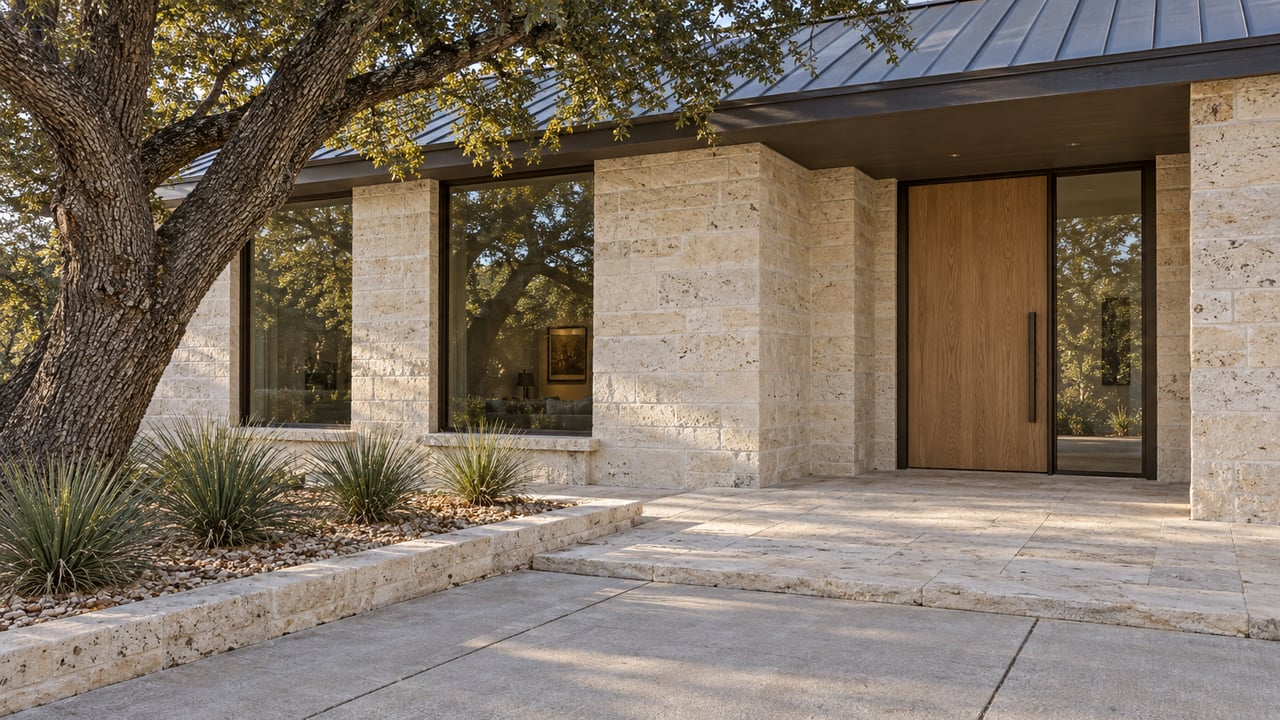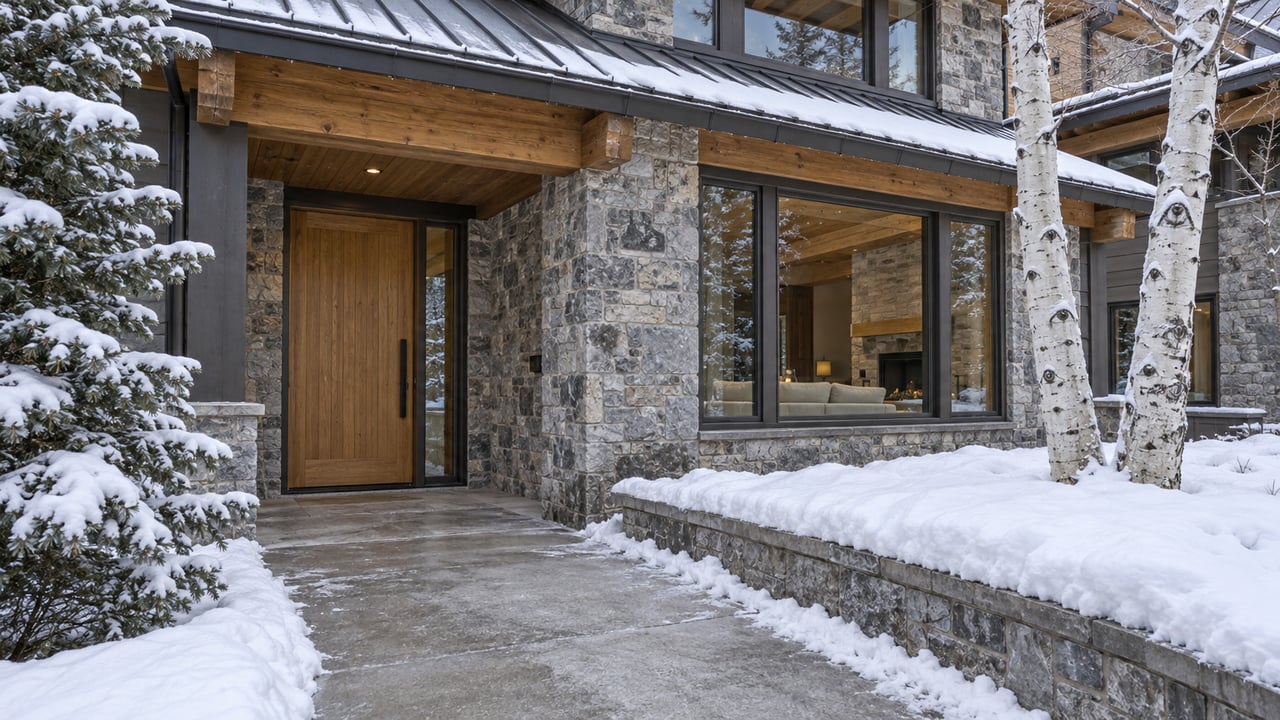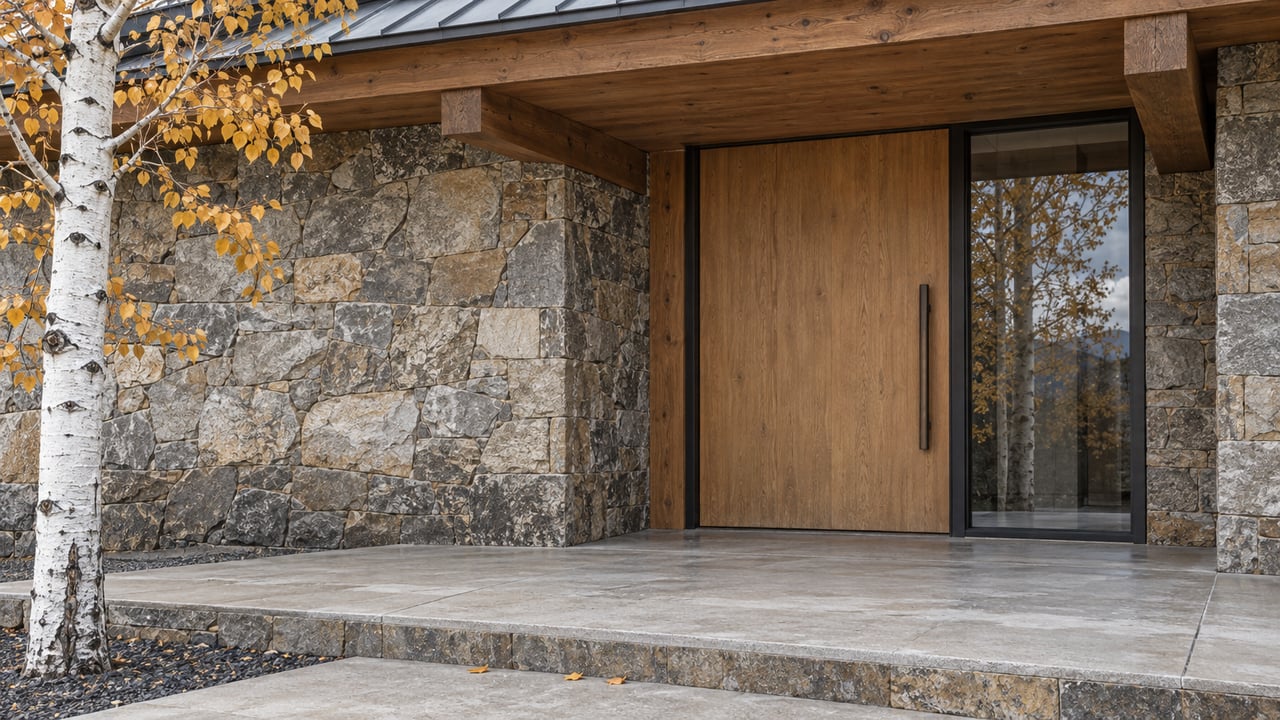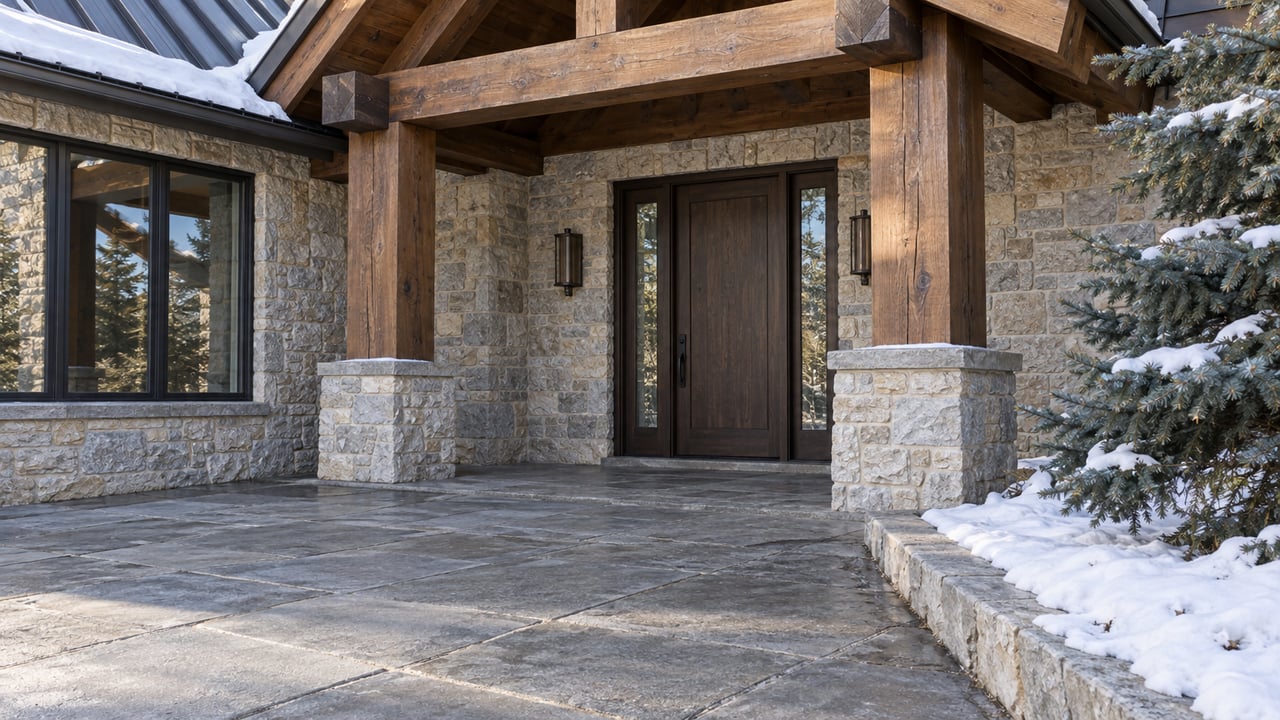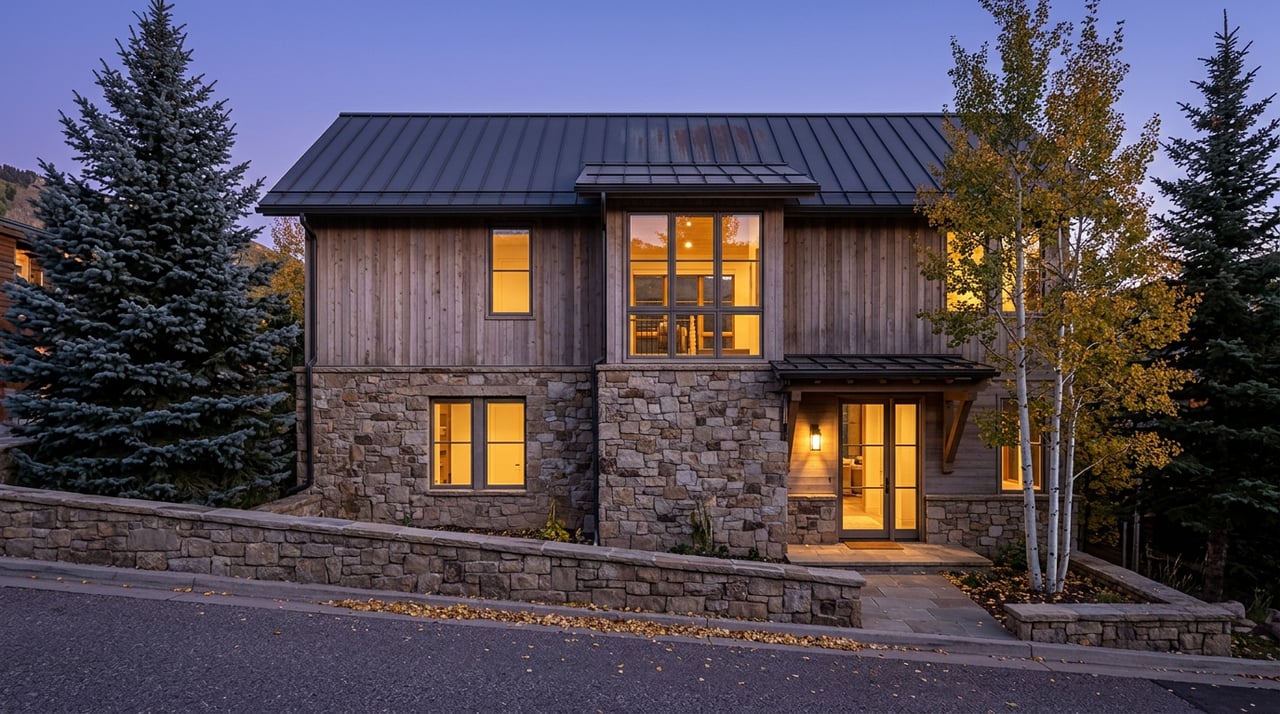
In the summer of 2025, excavators broke ground on a hillside above Old Town, and not because the fight over the property was finished. KPCW reported that a court had allowed a narrow, interim site-work permit while three separate lawsuits over the project were still unresolved. The owner was Matthew Prince, the Cloudflare CEO who also owns the Park Record, Park City's own newspaper. His plans for 220 King Road, a modern home echoing the town's mining-era rooflines, had already cleared the Planning Commission back in February 2024 and had already received a Historic District Design Review approval. Neither approval stopped the litigation, which by early 2026 councilmembers were describing as years of fighting.
If a buyer with unlimited legal resources and a design his own attorney called fully code-compliant could still be excavating under a court-ordered workaround rather than a finished permit, it is worth understanding why. The answer has nothing to do with how nice the house is. It has to do with the fact that Old Town does not run one permit process. It runs two, and they do not move at the same speed.
Two Reviews, One Address
Every renovation or new build inside Park City's Historic District has to satisfy the standard building permit process the same way any project in any city would: structural review, fire safety, code compliance. But it also has to pass a second, separate review governed by the Design Guidelines for Historic Districts and Historic Sites, reviewed by its own planning staff and, for anything touching historic material, by the Historic Preservation Board itself.
These two tracks are not sequenced by default. A project can sail through standard plan review while its historic application is still pending, or worse, get a historic approval that later gets narrowed on appeal after construction drawings are already locked. The city's own code is explicit that when the two sets of rules conflict, the more restrictive one wins, which means a design finalized before historic sign-off is a bet against whichever reviewer is stricter.
The appeal clocks make this sharper. Under the city's land management code, most planning decisions can be appealed within 10 calendar days. But a decision tied to the Design Guidelines for Historic Districts and Historic Sites gets 30 days, and filing that appeal automatically suspends the approval until it is resolved. A project can look finished on paper and still be frozen for a month longer than anyone expects, through no fault of the buyer or the builder.
Years of Fighting on King Road
The King Road timeline shows what happens when that gap gets tested. Prince's Planning Commission approval survived an appeal from his downhill neighbors, who took the matter to Third District Court in August 2024. A second, separate track opened when the Board of Adjustment reversed parts of the Planning Director's Historic District Design Review approval, prompting lawsuits from both Prince's company and the downhill neighbors over what the reversal actually meant. Those cases were eventually consolidated.
By January 2026, the Utah Legislature had passed a law, SB262, letting city councils settle land-use litigation directly rather than routing everything back through a planning commission. Park City's council used it. On January 15, 2026, the council voted 3-1 to approve a consent agreement with Prince's company, accepting the 24 conditions attached to the Historic District Design Review and asking the court to dismiss the pending cases. Councilmember Bill Ciraco said the years of fighting had become unproductive for everyone involved. Councilmember Tana Toly, whose family has lived in Park City for more than a century, framed her vote around protecting both the historic district and the city's authority to make that call locally.
The downhill neighbors were not part of that agreement and objected to it. At a hearing on January 30, 2026, Third District Judge Richard Mrazik declined to move quickly toward dismissal, and the court separately rejected a request from Prince's side to resolve a shared driveway easement dispute with the downhill neighbors. As of that hearing, the private dispute between the two households remained open even after the city's own litigation was headed toward resolution.
None of this happened because the design broke a rule. It happened because two review tracks, each defensible on its own terms, produced different answers at different points, and the appeal window on the historic side kept the clock running long after a typical building permit would have closed out.
The lesson for an ordinary buyer isn't that Old Town is risky. It's that the two clocks don't check in with each other, so someone has to.
The Detail Most Buyers Miss
There is a detail in the King Road case that matters more for everyday buyers than the lawsuits do. The property sits in the Sweeney Master Planning District, a large-lot area overlooking the small-lot historic core, not inside Old Town's classic grid of miner's cottages.
Anyone shopping a view lot near the historic district, not just inside it, should ask whether the Historic District Design Review applies before assuming a modern build is a clean process.
Before You Finalize Drawings
The fix for most of this is sequencing, not caution. A few things are worth doing before a design gets locked in:
- Ask the seller for permit history and any prior Historic District Design Review approvals on the property. Past decisions on the same address tell you how the current preservation planner has interpreted the guidelines for that specific lot.
- Schedule a pre-application meeting with Park City's historic preservation staff before construction drawings are finalized, not after. The city's own design review process page lays out what a pre-application requires, and getting informal feedback early is the cheapest insurance available.
- Budget extra time for narrow lots. Many Old Town parcels have steep grade transitions, exposed foundations, and limited space to stage materials, which routinely stretches renovation timelines well beyond what the same scope of work would take on a flatter, larger lot elsewhere in the Wasatch Back.
- Check the age of the infrastructure, not just the exterior. Mining-era structures commonly carry galvanized plumbing or undersized electrical service that a historic exterior review will not flag but a contractor will.
None of this is about avoiding Old Town. It is about not confusing a standard permit timeline with the actual timeline, and not assuming a design that satisfies one reviewer has satisfied all of them.
What This Means for a Buyer Right Now
The market lesson from King Road is not that the historic district is hostile to renovation. Prince's attorney pointed out that six other homes in the same subdivision are a similar type and size to what was proposed, and the city's own staff worked through the application for years before the council settled it. The guidelines allow for real change. What they do not allow is skipping the sequencing step and hoping the two tracks agree by accident.
For a buyer weighing an Old Town property against something in Deer Valley or Promontory, that sequencing cost is a real part of the math, alongside price per square foot and lot size. It is not a reason to walk away from a property with the right bones and the right view. It is a reason to walk in with a plan for which review happens first.
That is the kind of groundwork worth doing before an offer goes in, not after. If you are weighing an Old Town property, or any renovation project inside Park City's historic overlay, Bessie Lee Ostertag can walk through the specific address with you, the prior approvals on file, and what a realistic timeline looks like before you write anything. Let's Connect.
This article is general information, not legal, tax or financial advice. Consult a qualified professional about your situation.