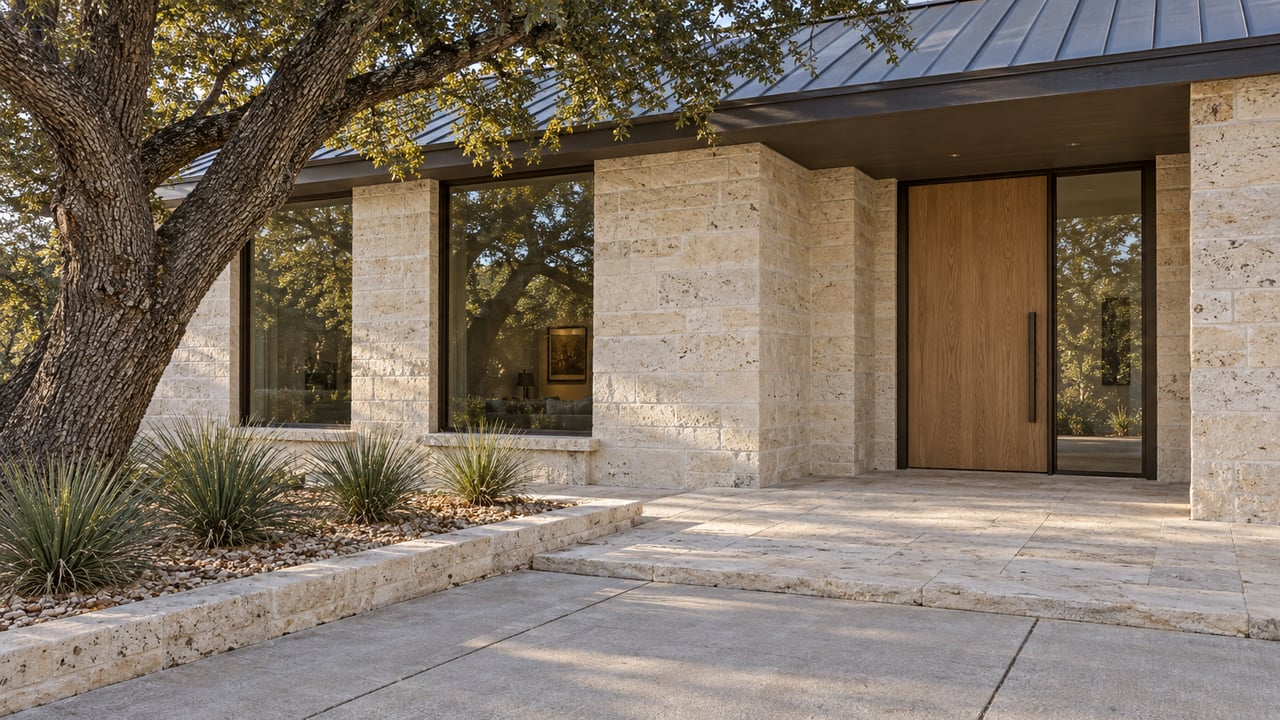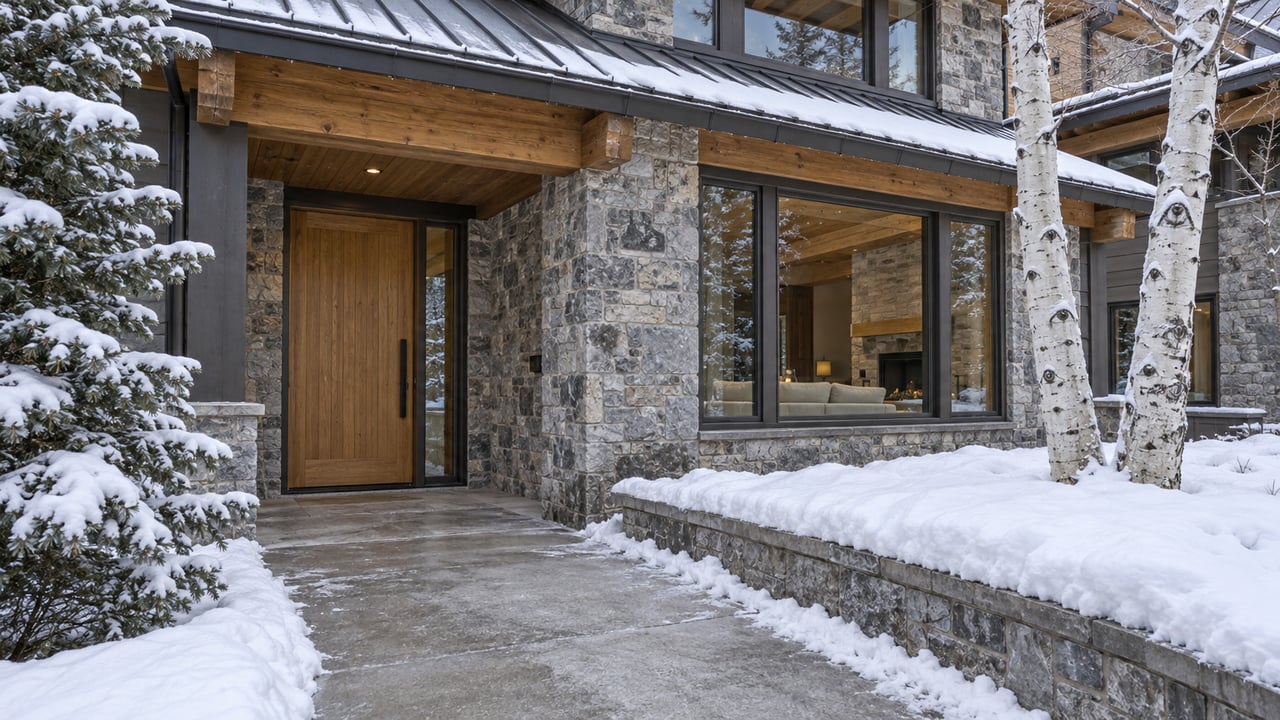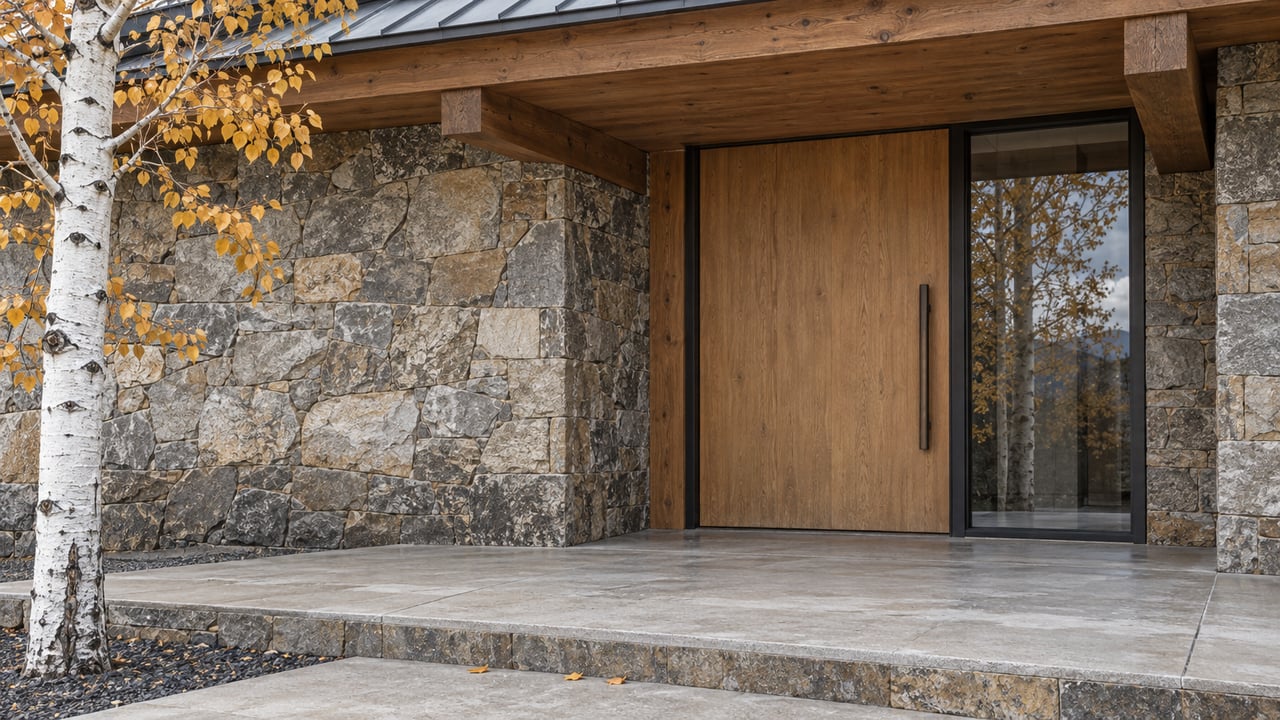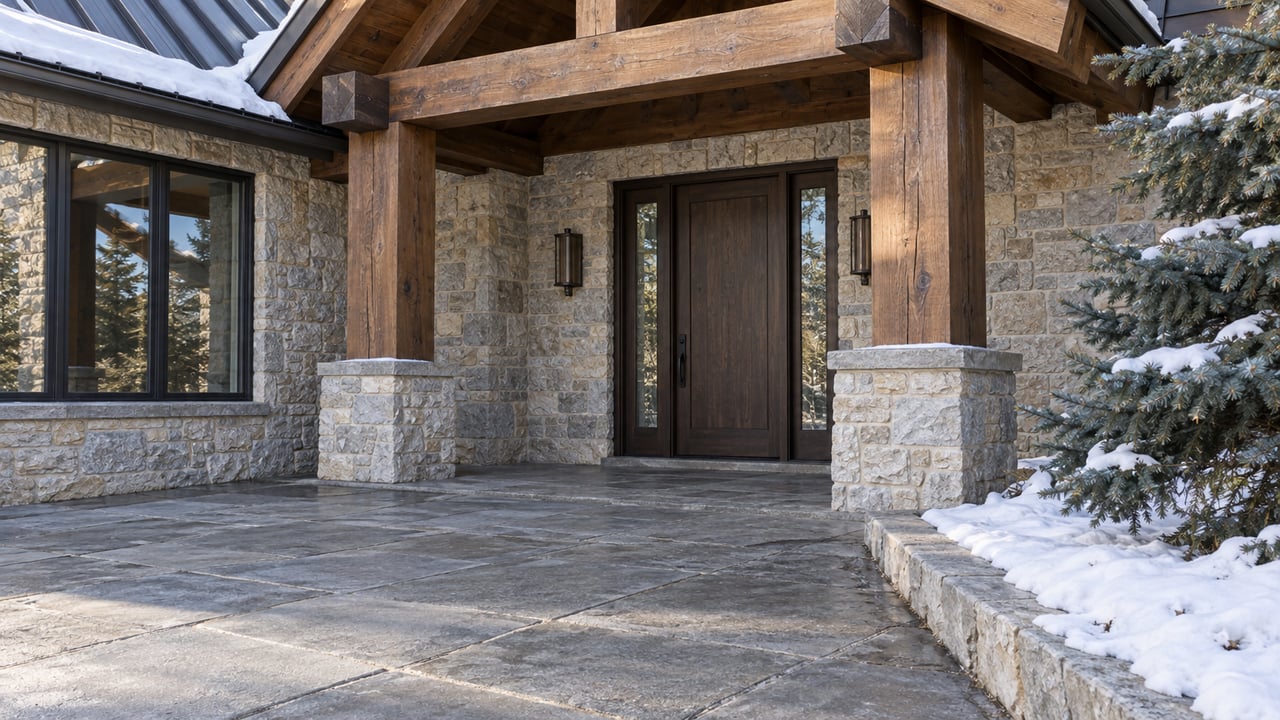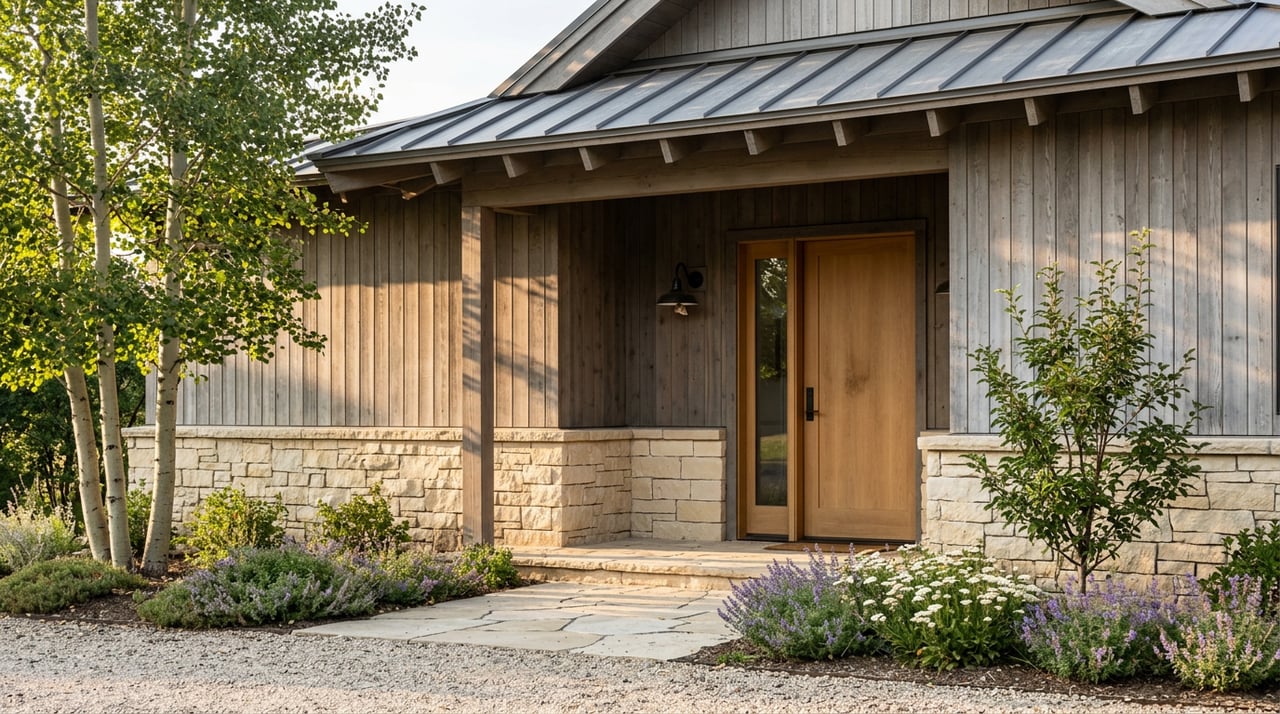
On paper, Midway looks like the answer to Park City's price problem. For the three months ending in May 2026, Park City's median sale price sat at $2.6 million, down 27 percent from a year earlier, with homes selling in about 36 days. Midway's median for that same window was $1.1 million, down roughly 10 percent year over year, though homes there are now taking about 97 days to sell compared with 53 days a year ago. That is a gap of a million and a half dollars for twenty minutes of extra drive time down Highway 40.
On December 2, 2025, the Midway City Council adopted updated nightly rental rules, as KPCW reported, without touching a single listing price.
The council amended the city's nightly rental ordinance that day, and the changes matter more to a second-home buyer's spreadsheet than anything in a listing description. The Park Record reports that any property manager overseeing a short-term rental in Midway must now hold a Midway City business license, even if that manager's office sits elsewhere in Wasatch County. Rentals inside the city's Transient Rental Overlay District, known locally as the TROD, must meet dark sky lighting standards, which means exterior fixtures have to be fully shielded, with no soffit lighting except above porches and decks. And every nightly rental now needs a posted identification plaque showing the property manager's contact information, the kind of rule that reads as minor until you are the one paying an electrician to swap fixtures before a guest checks in.
In its report on the update, KPCW quoted city planner Katie Villani putting the timing in context: "Congratulations to Midway: it was one of the first cities that had a short-term rental ordinance." The framework simply had not kept pace with how many owners were operating inside it.
The Same Tax Rule, Two Different Outcomes
None of this changes the underlying tax math, which applies identically whether you buy in Midway or Park City. Utah's constitution allows county assessors to exempt 45 percent of a home's fair market value from property tax, so long as the property is a primary residence, occupied 183 or more consecutive days a year by the owner, a family member, or a tenant. The Utah State Tax Commission administers the rule statewide under Utah Code 59-2-103, and Summit County's own exemption page confirms the same standard applies to Park City buyers. A second home, a cabin held for occasional use, or a nightly rental does not qualify. Those properties are taxed on 100 percent of value.
That single rule is not what separates Midway from Park City. What separates them is what happens on the other side of it, once a buyer can no longer claim the exemption and starts looking for rental income to offset the difference.
| Midway | Park City area | |
|---|---|---|
| Median sale price, 3 mo. ending May 2026 | $1.1M | $2.6M |
| Days on market, May 2026 | ~97 | ~36 |
| Approx. effective primary-residence tax rate, 2026 | ~0.45-0.46% | ~0.3-0.4% |
| Share of recent sales nightly-rental eligible | ~13% | ~61% (Kimball Junction) |
Why the Overlay Line Matters More Than the County Line
Wasatch County, where Midway sits, has always taken a more restrictive approach to short-term rentals than Summit County. Nightly rentals in Midway are concentrated inside the Transient Rental Overlay District, known locally as the TROD. An analysis of Park City MLS sales data found that only about 13 percent of Midway's recent sales were nightly-rental eligible, compared with roughly 61 percent in Kimball Junction, a Park City-area neighborhood built around a much more permissive framework. Even within Midway, the picture is not uniform. Established second-home communities like Valais and Midway Village carry different ownership structures and resale dynamics from newer subdivisions like Scotch Fields.
The December ordinance layers new compliance costs on top of an already narrow lane. A buyer weighing a Midway purchase against a comparable Park City property is not just comparing sale prices. They are comparing two very different odds of ever recovering the non-primary tax bill through rental income.
What a Median Home Actually Costs, Primary vs. Second
The math behind the exemption is simple and worth sitting with. A primary residence is taxed on 55 percent of its value. A second home is taxed on the full 100 percent. That means, regardless of the exact rate applied in your tax district, switching from primary to non-primary status raises the taxable base by about 82 percent, since 100 is roughly 1.8 times 55.
Applied to Midway's current $1.1 million median, using a 2026 effective rate estimate near 0.45 percent for Wasatch County, a primary residence would owe property tax on a taxable value of about $605,000, for a bill near $2,723 a year. The same home classified as a second home would be taxed on the full $1.1 million, for a bill near $4,950. That is roughly $2,227 more a year in property tax alone, before factoring in the property manager's license fee or the cost of retrofitting exterior lighting to meet the new dark sky requirement.
For a full-time resident who plans to live in the home 183 days a year, none of this changes. The exemption applies the same way in Midway as it does anywhere else in Utah. It is the second-home buyer counting on nightly rental income to soften that non-primary bill who needs to look past the median and into the ordinance.
Who This Actually Changes Buying For
If you are relocating and Midway will be your full-time address, the tax exemption travels with you regardless of which side of Highway 40 you land on, and the lower purchase price is a straightforward advantage. The calculation gets more complicated for a buyer treating Midway as a lower-cost alternative to a Park City vacation home, where the plan was always to let short-term guests carry part of the ownership cost.
Park City's own market still rewards that plan more reliably. Park City Board of Realtors data for the first quarter of 2026 show single-family transactions up 14 percent and dollar volume up 9 percent year over year, even as condo sales fell sharply across the same period. That single-family strength runs through neighborhoods where nightly rental income remains a normal part of the ownership math, not an exception to it. Midway's narrower overlay, tighter subdivision rules, and now heavier compliance burden make that same math considerably less certain, even with a purchase price that looks like a discount on paper.
Common Questions
Does buying in Midway automatically mean a lower tax bill than Park City? Only if the home is your primary residence. The 45 percent exemption applies the same way in both counties. If you are buying a second home, Midway's lower purchase price does not translate into a lower effective tax rate, and the property is taxed on its full value either way.
If you are weighing Midway against Park City, or trying to figure out what a specific address can and cannot legally rent, that is exactly the kind of question worth working through before you write an offer, not after your first tax notice arrives. Bessie Ostertag has spent years inside both markets and can help you read a property's actual carrying cost, not just its list price. Let's Connect.
This article is general information, not legal, tax or financial advice. Consult a qualified professional about your situation.